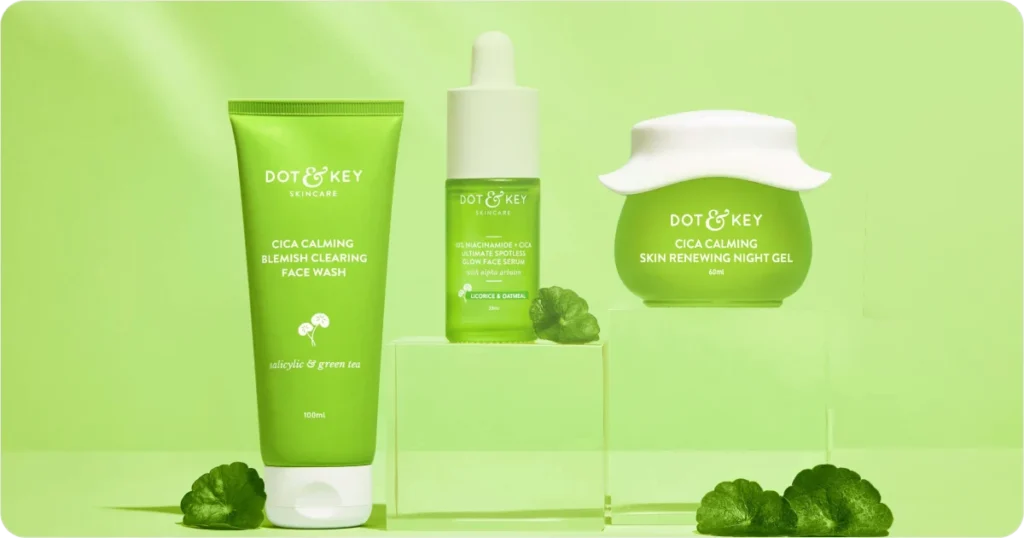
I spent an embarrassing amount of money in my early twenties buying whatever skincare influencers pushed that week. Half of it did nothing for my breakouts; some made things worse. It took actual research — and a patient dermatologist — to figure out which skincare ingredients for acne-prone skin are backed by real evidence versus just good marketing.
Here’s the honest, no-fluff breakdown.
Understanding Acne Before Treating It
Acne generally stems from clogged pores, excess oil, bacteria, or inflammation — sometimes all four together. Different ingredients target different causes, which is why a single “miracle” product rarely works for everyone.
1. Salicylic Acid (BHA)
This is probably the single most researched ingredient for acne-prone skin. It’s oil-soluble, meaning it penetrates into pores to clear out excess sebum and dead skin cells that cause breakouts.
Quick answer: The most effective skincare ingredients for acne-prone skin are salicylic acid for unclogging pores, benzoyl peroxide for killing acne-causing bacteria, and niacinamide for reducing inflammation — used together rather than relying on just one.
2. Benzoyl Peroxide
Directly targets acne-causing bacteria. Start with a lower concentration (2.5%) since higher percentages don’t necessarily work faster but do increase irritation and dryness significantly.
3. Niacinamide
Reduces inflammation and redness while also helping regulate oil production over time. It’s gentle enough to use daily and pairs well with almost every other acne ingredient.
4. Retinoids (Retinol/Adapalene)
Speeds up cell turnover, preventing pores from clogging in the first place. Adapalene (0.1%) is now available over-the-counter and is genuinely one of the most effective long-term acne ingredients available.
5. Azelaic Acid
An underrated option — helps with both active acne and the dark marks it leaves behind. Gentler than benzoyl peroxide, making it a good choice for sensitive, acne-prone skin.
6. Tea Tree Oil (Diluted)
A natural alternative with genuine antibacterial properties, though it needs proper dilution before applying — undiluted tea tree oil can burn or irritate skin significantly.
A realistic routine combining these ingredients:
- Morning: Gentle cleanser, niacinamide serum, oil-free SPF
- Night: Cleanser, salicylic acid or benzoyl peroxide (alternate nights), moisturizer
- 2-3x weekly: Adapalene, introduced slowly
Ingredients That Often Make Acne Worse
Heavy, comedogenic oils (coconut oil being the most common culprit) can clog pores further. Also watch for alcohol-heavy toners that over-dry skin, triggering a rebound oil production.
I’ve noticed clients (and honestly, myself) often make the mistake of combining too many active ingredients at once — retinol, benzoyl peroxide, and acids all together — which just leads to a red, irritated mess instead of clearer skin.
Patience Is Genuinely Part of the Process
Most acne ingredients take 6-8 weeks to show real results. Has this ever happened to you — quitting a product after two weeks because “it’s not working,” only to find out later it just needed more time?
[link to related guide on night skincare routine for oily skin here]
FAQ
Can I use salicylic acid and benzoyl peroxide together? Yes, though it’s often better to alternate them on different nights initially to avoid over-drying or irritating skin.
Is niacinamide safe for daily use? Yes, niacinamide is one of the gentlest actives and works well applied twice daily without causing irritation for most skin types.
How long until acne ingredients show results? Typically 6-8 weeks of consistent use before seeing significant improvement, sometimes longer for deeper cystic acne.
Are natural remedies as effective as these ingredients? Some natural options like azelaic acid and tea tree oil have research backing, but most kitchen remedies lack the same evidence-based results.
Should I see a dermatologist for persistent acne? Yes, if over-the-counter ingredients haven’t helped after 2-3 months, a dermatologist can prescribe stronger, targeted treatments.
Conclusion
Clearer skin doesn’t come from chasing every new product trend — it comes from understanding which skincare ingredients for acne-prone skin actually target your specific concerns and using them consistently. Start simple, introduce one active ingredient at a time, and give your skin the 6-8 weeks it genuinely needs before switching things up again.
Suggested Alt Text:
- “Salicylic acid serum bottle for acne prone skin”
- “Niacinamide and benzoyl peroxide skincare ingredients flatlay”
- “Applying acne treatment serum on facial skin”