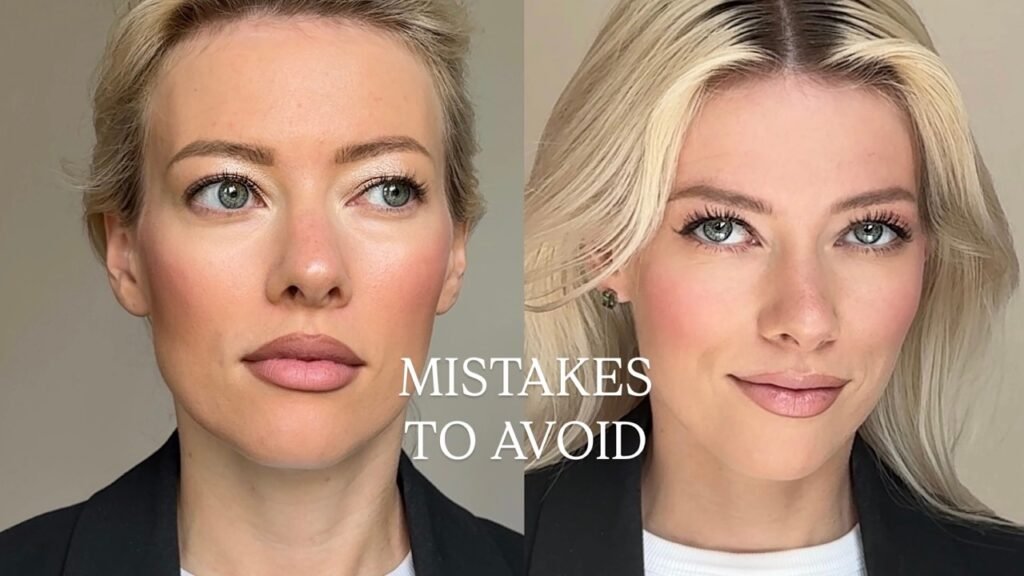
I have, at various points, owned foundation shades that made me look like a ghost, an Oompa Loompa, and everything in between. Finding the right foundation shade for skin tone felt like an impossible guessing game for years — until I actually learned what I was doing wrong.
If your foundation always seems slightly “off,” this should help.
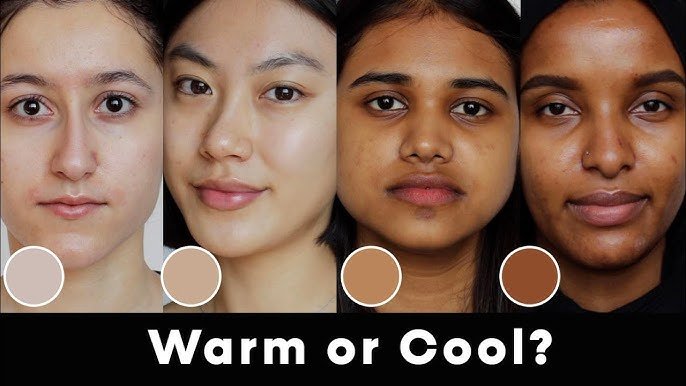
Undertone Matters More Than Shade Depth
Most people focus only on how light or dark a shade is, ignoring undertone entirely — which is usually the real reason foundation looks wrong. Undertones are generally warm (yellow/golden), cool (pink/red), or neutral (a mix of both).
1. Figuring Out Your Undertone First
Check the veins on your wrist — greenish veins usually indicate a warm undertone, bluish/purple suggests cool, and if you genuinely can’t tell, you’re likely neutral. Simple, though not always perfectly accurate for everyone.
Quick answer: To find the right foundation shade for skin tone, match both depth (light to deep) AND undertone (warm, cool, or neutral) — testing on your jawline in natural daylight gives the most accurate result.
2. Where to Actually Test Foundation
Jawline, not hand or wrist. Your face and neck are usually a slightly different shade than your hands, so testing there gives inaccurate results more often than people realize.
3. Test in Natural Light, Always
Store lighting (especially fluorescent) distorts how shades actually look. Step outside or near a window before deciding — this single step prevents most shade-matching mistakes.
4. Let It Sit Before Deciding
Some foundations oxidize (darken slightly) after 10-15 minutes on skin. Don’t judge the shade immediately after application — wait a bit before making your final call.
5. Consider Seasonal Shade Shifts
Skin tone often shifts slightly with sun exposure across seasons. Many people genuinely need two shades — one for summer, one for winter — rather than forcing one shade year-round.
A simple shade-matching checklist:
- Identify undertone first (warm, cool, neutral)
- Test three nearby shades on jawline, not hand
- Check in natural daylight, not store lighting
- Wait 10-15 minutes before final judgment
- Blend down toward neck to confirm match
Common Shade-Matching Mistakes
Going too light because it “feels safer” is probably the most common one I see. A slightly deep-matched foundation that’s blended well always looks more natural than an obviously pale one sitting on top of skin.
Foundation Formula Also Affects Shade Perception
Matte formulas can appear slightly different from dewy ones even in the same shade number, since finish affects how light reflects off skin. Worth testing the exact formula you plan to actually buy, not just the shade family.
I’ve noticed that brands with wider shade ranges (40+ shades) tend to have better undertone accuracy too — it’s not a coincidence, it usually reflects more careful product development.
[link to related guide on bridal makeup look 2026 here]
FAQ
How do I know if foundation is too light or too dark? If there’s a visible line at your jawline or the color doesn’t disappear into your neck, the shade doesn’t match — even a slight mismatch shows in photos.
Can foundation shade change with seasons? Yes, sun exposure changes skin tone slightly, so many people need a lighter shade for winter and deeper one for summer.
Should I match foundation to my face or my neck? Match to your jawline, which blends both face and neck tones, giving the most natural overall transition.
Why does my foundation turn orange after a few hours? This usually happens when the shade has too much warmth for your skin, or the formula oxidizes significantly after application.
Do foundation samples really help before buying full size? Yes, always request samples when possible — testing for a full day in different lighting prevents costly full-size shade mistakes.
Conclusion
Finding the right foundation shade for skin tone takes a bit of patience, but it’s not the impossible task it often feels like. Focus on undertone first, always test on your jawline in daylight, and don’t be afraid to ask for samples before committing to a full bottle. Your foundation should disappear into your skin, not sit visibly on top of it.
Suggested Alt Text:
- “Testing foundation shade match on jawline in daylight”
- “Foundation swatches showing different undertones on skin”
- “Applying correctly matched foundation shade for even coverage”