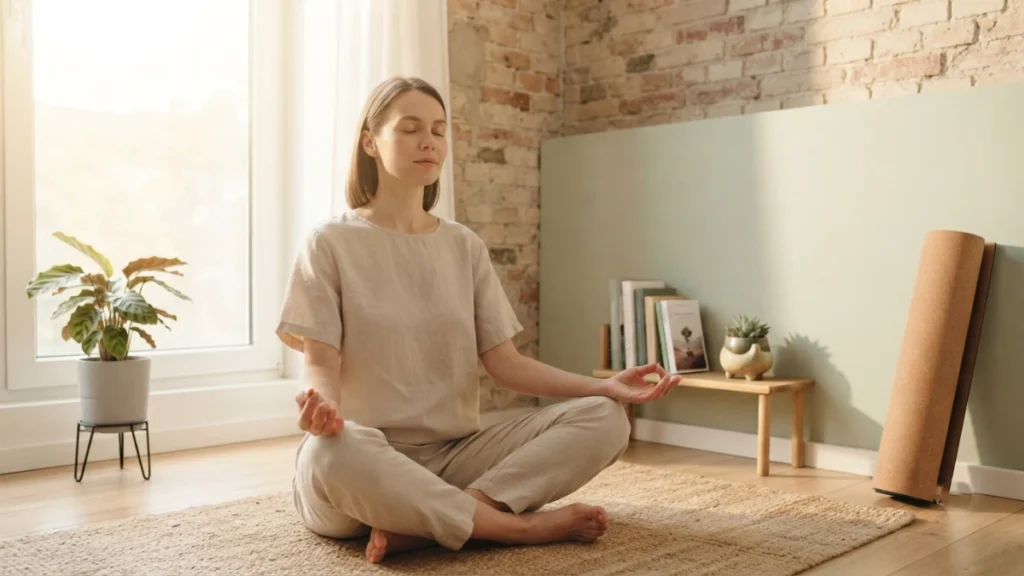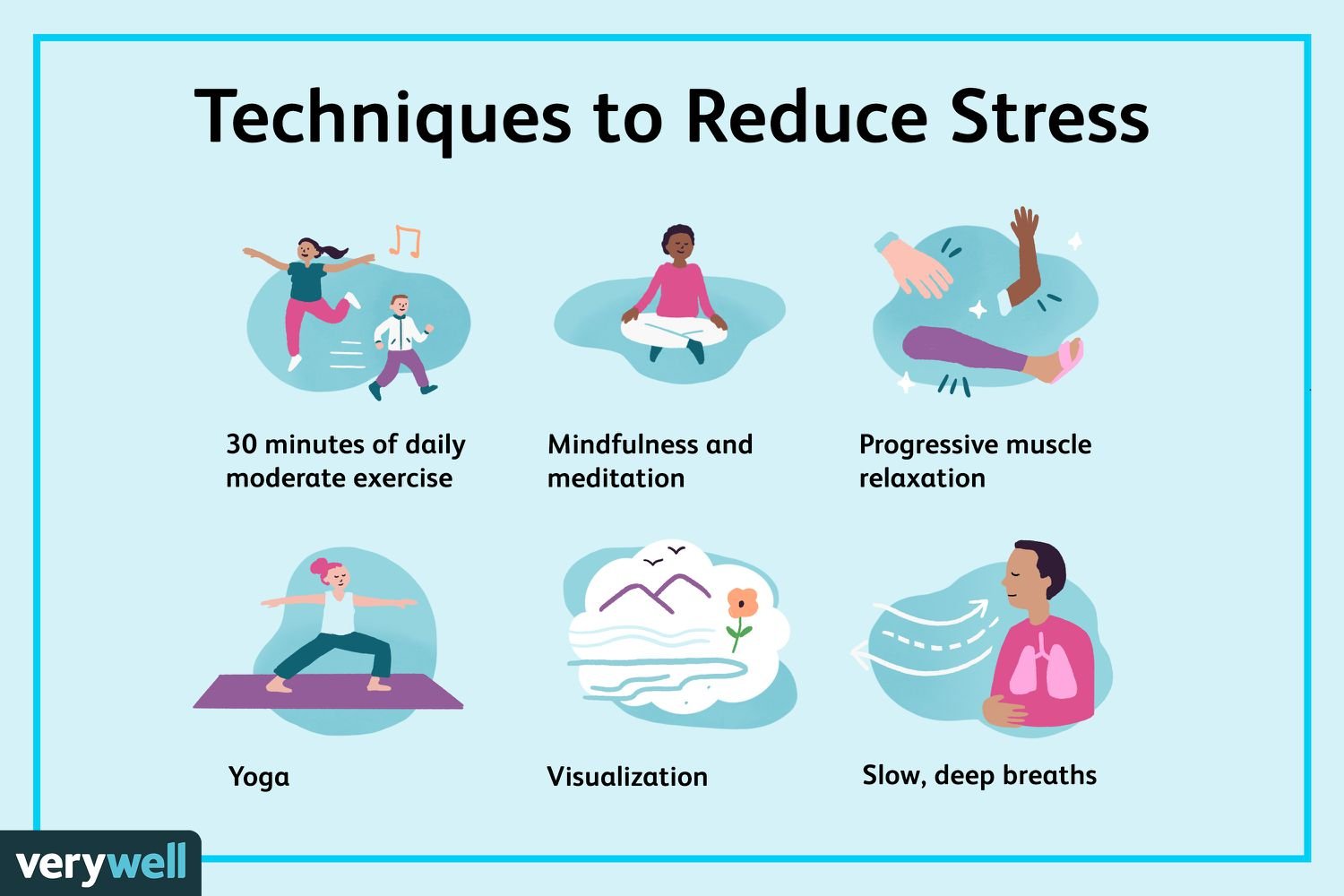
Somewhere during a particularly brutal work deadline last year, I realized I hadn’t taken a proper breath in what felt like weeks. Stress had just become background noise I’d stopped noticing. Learning how to reduce stress naturally wasn’t about some dramatic lifestyle overhaul — it was small, boring, consistent habits that quietly added up.
If you’re constantly running on stress-fueled adrenaline, this one’s worth a proper read.
Understanding Stress Before Trying to Fix It
Not all stress is bad — short bursts actually help with focus and performance. Chronic, ongoing stress, though, is what wears down both mental and physical health over time, and that’s what these habits specifically target.
1. Breathing Exercises, Genuinely Underrated
Something as simple as the 4-7-8 breathing technique (inhale 4 seconds, hold 7, exhale 8) activates your body’s relaxation response within minutes. I was skeptical until I actually tried it during a panic-inducing traffic jam.
Quick answer: The most effective ways to reduce stress naturally include controlled breathing exercises, regular physical movement, and setting boundaries around work hours — small daily practices that compound over weeks rather than offering instant relief.
2. Move Your Body Daily
Exercise, even a 20-minute walk, reduces cortisol levels significantly. It doesn’t need to be intense — a walk around your neighborhood after dinner works just as well as a gym session for stress reduction purposes.
3. Limit Doomscrolling, Especially at Night
Constant exposure to negative news and social comparison genuinely elevates baseline stress and anxiety. Setting a hard cutoff — no phone an hour before bed — made a noticeable difference for me personally.
4. Journaling to Offload Mental Clutter
Writing down worries, even messily, for five minutes helps externalize anxious thoughts rather than looping them endlessly in your head. It doesn’t need to be profound — just get it out of your head and onto paper.
5. Set Boundaries Around Work
This is the hardest one for most people, myself included. Replying to work messages at 11pm trains your brain to stay in a constant state of alert. A hard stop time, even if imperfect, matters more than people give it credit for.
Simple stress-reduction practices to try this week:
- 5 minutes of breathing exercises during a stressful moment
- A 20-minute walk after your most stressful meal or meeting
- One hour of no-phone time before bed
- Journaling three things that stressed you out, briefly
The Role of Sleep in Stress Management
Poor sleep and high stress feed into each other constantly — stress disrupts sleep, and poor sleep amplifies stress the next day. Breaking this cycle often starts with fixing sleep hygiene first.
When Natural Methods Aren’t Enough
Has this ever happened to you — trying every natural remedy and still feeling constantly overwhelmed? That’s genuinely a sign worth discussing with a mental health professional rather than pushing through alone.
[link to related guide on morning habits for healthy lifestyle here]
FAQ
How quickly do breathing exercises reduce stress? Many people notice calming effects within 2-3 minutes of controlled breathing, making it useful for acute stressful moments.
Does exercise really help with chronic stress? Yes, regular physical activity is one of the most researched natural stress reducers, lowering cortisol and improving mood over time.
Is journaling actually effective for stress relief? Yes, externalizing thoughts through writing has been shown to reduce anxious rumination and provide mental clarity.
Can diet affect stress levels? Yes, excessive caffeine and sugar can worsen anxiety symptoms, while balanced meals with adequate protein support more stable mood.
When should I see a professional about stress? If stress is persistently interfering with sleep, relationships, or daily functioning despite natural methods, professional support is genuinely worth considering.
Conclusion
Learning how to reduce stress naturally isn’t about eliminating stress completely — that’s unrealistic for most modern lives. It’s about building small, consistent habits that keep stress from taking over entirely. Start with just breathing exercises and a nightly phone cutoff this week, and notice how much quieter your mind feels by the weekend.
Suggested Alt Text:
- “Person practicing breathing exercises to reduce stress naturally”
- “Evening walk as natural stress reduction habit”
- “Journaling practice for managing daily stress”